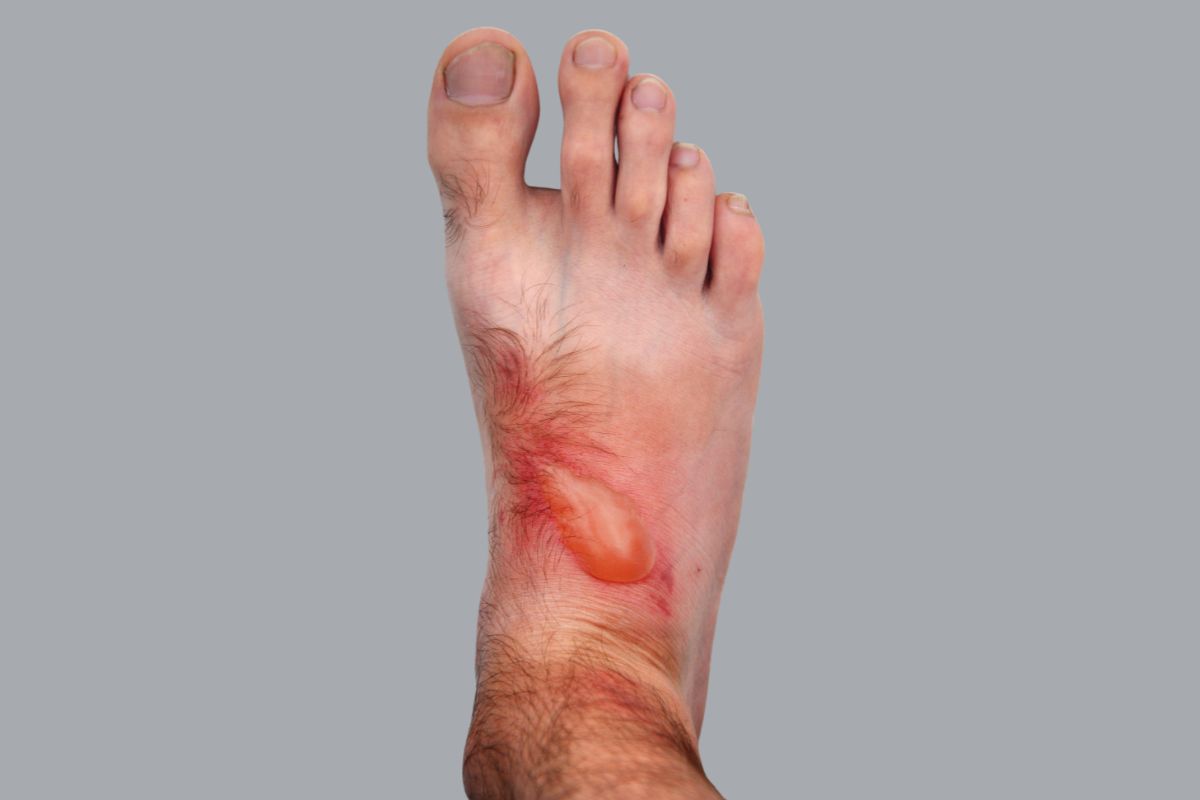
Phytophotodermatitis occurs when chemicals from certain plants and fruits react with sunlight, creating an itchy red rash that looks similar to bruises or sunburn, with blisters possibly developing as well. Effective treatment for phytophotodermatitis involves washing the affected area with soap and water to prevent further irritation. Additionally, refraining from rubbing the affected skin and using cool compresses can offer temporary relief from blistering and itching sensations.
Table of Contents
Topical ointments
Phytophotodermatitis can be uncomfortable, but generally does not need medical treatment. However, if it becomes severe or recurs frequently it could be a telltale sign that something has caused a reaction and should addressed promptly with medical advice and appropriate remedies such as over-the-counter ointments for soothing the skin and topical steroids to reduce itching; oral antihistamines or NSAIDs for pain relief; it’s also best to limit sun exposure so as to not darken its surface further! It’s best to limit sun exposure in order to keep its intensity down and prevent darker spots forming on its surface.
Phytophotodermatitis develops when light-sensitive plant compounds known as furanocoumarins interact with longwave UVA sunlight and cause an adverse skin reaction that does not require prior sensitization, often manifested as itching, redness, swelling, blisters and pigmentation changes in affected areas. Rashes tend to occur more frequently in spring and summer when plants produce higher amounts of furanocoumarins than usual.
Phytophotodermatitis can be difficult to distinguish from other skin reactions, particularly since its symptoms often display geometric shapes on areas where plants touched skin – potentially mistaking it for poison ivy, oak or sumac. Furthermore, its symptoms differ significantly from those of allergic dermatitis which typically appear less specifically and become itchy, painful and red over time.
Dermatologists can diagnose phytophotodermatitis through physical examination and questioning about how and where symptoms began and appeared, in addition to patch tests or skin biopsies as needed. Although mild cases do not always require medical attention, anyone experiencing severe itching and sores should see a physician immediately.
Doctors can prescribe various treatments to alleviate the symptoms of phytophotodermatitis, including over-the-counter ointments that can applied directly onto affected areas and oral steroids or antihistamines to ease pain and itching. They may also suggest avoiding affected plants when outdoors as well as using sunscreen with SPF protection when doing outdoor activities, and washing skin more frequently to keep any rash from spreading or becoming infected.
Over-the-counter pain relievers
Symptoms of phytophotodermatitis typically include redness, inflammation and itchy blisters resembling sunburn. Blisters may range from small and red to large and brown or blue-gray in appearance and tend to appear on areas of skin exposed to plant chemicals and sunlight – this condition is known as phototoxicity or contact dermatitis and can be more serious than sunburn; typically occurring after people consume medications like tetracyclines or diuretics; swallow chemical compounds; apply them directly onto skin such as perfume or coal tar; or simply applying plant products like lime juice onto skin that has then been exposed to sunlight.
Post inflammatory hyperpigmentation typically develops 24-48 hours after plant chemicals, like those present in limes, come into contact with UV A light from the sun and interact with skin chemicals to produce an unpleasant reaction resembling sunburn but lasting months afterward.
OTC nonsteroidal anti-inflammatory drugs like aspirin or ibuprofen can provide temporary relief of mild pain and swelling in mild cases. If the reaction is more serious, your physician may prescribe oral corticosteroids or antihistamines. Reducing sun exposure by wearing sunscreen and self-care ointments could also provide help.
Foods such as limes, figs, parsley and wild dill may also trigger phytophotodermatitis. Often these results from accidentally smearing these plants onto the skin while gardening, tanning or doing woodwork – making those who spend time hiking, running or working outside in wooded areas at greater risk of this reaction.
Furocoumarins, produced by certain plants to defend against fungi and insects, are one of the main culprits behind such reactions. When combined with UVA radiation from sunlight, they can destroy DNA in skin cells and lead to self-destruction; leaving behind red, itchy rashes that take weeks to fully heal.
Antibiotic ointments
Because its symptoms resemble poison ivy, oak, and sumac poisonings, phytophotodermatitis sometimes misdiagnosed. But dermatologists can easily make an accurate diagnosis by inspecting the affected area and asking when you came into contact with plant substances – often skin reactions appear in a linear or imprint pattern that indicates something was transfer onto your palms and fingers according to Joshua Zeichner, MD of Mount Sinai Medical Center’s cosmetic and clinical research in dermatology department in New York City. Signs include inflammation, itching red spots which blister then turn brown before leaving post-inflammatory hyperpigmentation that lasts several months before becoming post-inflammatory hyperpigmentation occurs and leaves lasting post-inflammatory hyperpigmentation from exposure.
Furanocoumarins, which cause phytophotodermatitis, can found in various plants such as wild parsnip, wild dill, wild parsley and buttercups as well as citrus fruits such as limes. When they come into contact with skin they react with deeper penetrating ultraviolet A (UVA) radiation from sunlight causing it to react by producing UV-absorbing melanin which darkens adjacent areas and protects from future UVA radiation damage.
Dr. Damavandy notes that symptoms of phytophotodermatitis typically develop within 24 hours after exposure to plants, often taking the form of mild to severe sunburn-like lesions on areas that came into contact with these organisms, often followed by painful rather than itchy rashes that tend to be more intense for people of color.
Antihistamine cream or gel, available over-the-counter and with valid prescription, can help control itching. Antibiotic ointments may also help care for any blisters that open as well as prevent infections from developing further.
Dermatologists can prescribe topical steroids to relieve inflammation and itching, along with fading creams to even out your skin tone after the rash has cleared up. A light retinoic acid prescription may also help expedite healing times as well as minimize hyperpigmentation that may appear after its removal.
Phytophotodermatitis can affect anyone, but those working or spending time outdoors are most at risk for it. A splash of lime juice after taking a sip from their margarita has even been known to bring on this condition dubbed the “margarita dermatitis”, according to Dendy Engelman MD of New York City who is both board-certified cosmetic dermatologist and Mohs surgeon. To avoid phytophotodermatitis it’s best to wash hands frequently, avoid plants or fruit that cause it and wear protective clothing when hiking camping or working outdoors.
Sunscreen
Phytophotodermatitis, more commonly referred to as the “margarita rash,” is a toxic skin reaction caused by contact between certain plants and sunlight. Despite popular belief, it has nothing to do with sun allergies or immune issues; most often seen during sunny vacations when individuals consume lime juice or citrus fruits like lemon. The problem stems from chemicals present naturally within these plants that react with deeper penetrating ultraviolet A (UVA) rays for an intense itchy rash which may blister or turn brown.
Furocoumarins, produced by plants as a natural defense mechanism against fungi and insects, can enter skin cells when touched by plants when handled by humans, then interact with deeper-penetrating UVA rays from sunlight causing DNA strands to cross-link in ways they shouldn’t and resulting in cell damage.
When the rash appears, it often resembles a painful sunburn in terms of both appearance and feeling. To relieve its itchiness, antihistamines or topical steroid creams may prescribed over-the-counter; cool compresses can provide soothing relief as well. In extreme cases, doctors can provide oral options while hospital treatment will likely require when more than 30% of body surface area is involved.
Once the rash clears up, sunscreen becomes even more crucial for protecting skin damage. The most effective sunscreens feature high SPF ratings to block both UVA and UVB rays; additionally, it is wise to stay out of direct sunlight between 10 am and 4 pm when possible, wear long pants with sleeves rolled up at least 2 cm, as well as wearing long-sleeved tops or hats as protection.
Ultimately, phytophotodermatitis tends to resolve itself within weeks or months with proper sunscreen application and sun avoidance measures. If this condition recurs however, patients need to remain diligent about washing their skin regularly and staying away from plants that aggravate it; additionally, they should seek advice from a dermatologist if their condition becomes persistent or worsens over time.
Recommended Readings:
- Ingrown Hair Vs Herpes
- Melasma Treatment
- Common Myths About Medical Spa Procedures Debunked
- Skin Care Tips For the Decolletage Area
- How Rhinophyma Is Treated?