Anyone experiencing a bump around their genital area may worry that it is herpes. Unfortunately, ingrown hairs – also known as folliculitis – can appear similar to herpes lesions making diagnosis difficult. Herpes lesions tend to appear in clusters that cover an entire area, while ingrown hairs typically affect only one hair follicle at a time. Differentiating ingrown hair vs herpes is crucial for proper skincare. Recognize symptoms, seek accurate treatment. Your guide to distinguishing and addressing ingrown hair and herpes concerns effectively.
Table of Contents
Symptoms
At first glance, ingrown hairs and herpes blisters or lesions may look similar in the genital region. Both conditions can be painful and uncomfortable, yet understanding their distinction will allow you to find treatment appropriate for your symptoms.
If you experience a herpes outbreak, it is wise to visit your physician in order to obtain prescribed antiviral medication such as valacyclovir or acyclovir. While these will not cure herpes completely, they can reduce symptoms while speeding recovery time. Furthermore, herpes is infectious through intimate contact, including kissing, oral, vaginal, or anal sex – it should also remember that intimate contact can spread the infection further.
Genital herpes is a sexually transmitted disease that can spread through unprotected sexual encounters or sharing toothbrushes and tampons with someone living with herpes. Symptoms range from mild to severe; blisters may itch. Other than herpes sores, you may also experience tingling or burning sensations in your genital region as well as fever, sore throat pain and fatigue.
Ingrown hairs can result from improper shaving or waxing techniques, and typically take the form of red, swollen, irritated bumps that appear as reddened redness. They’re not contagious and can usually treated at home.
Herpes is an HSV virus commonly associated with cold sores; however, it can also cause genital herpes – an infectious genital infection highly contagious across sexual partners. It is extremely common; most people will encounter it at some point in their lives and symptoms often resemble cold sores while also being very itchy.
Herpes and ingrown hairs may look alike, but with some research they can easily distinguished. Ingrown hairs may cause by certain skin conditions – for instance keratosis pilaris – while herpes easily identified by its characteristic white pustules that don’t occur with ingrown hairs. When in doubt it is always wise to consult a healthcare provider about any symptoms that concern you or any suspicion that sexually transmitted diseases might exist in your system.
Causes
At first glance, bumps or blisters in the genital area may appear similar, making it hard to identify whether they’re caused by herpes or ingrown hair folliculitis – two conditions which often appear similar and are equally painful – making telling the difference even harder. Knowing how to tell them apart will allow you to determine whether a rash needs medical intervention or not.
Ingrown hairs are small, painful bumps caused when hair becomes trapped beneath the skin and cannot escape, leading to irritation and potentially leading to bacterial infections. They usually appear as single bumps with visible hair in their center – however these conditions are not contagious!
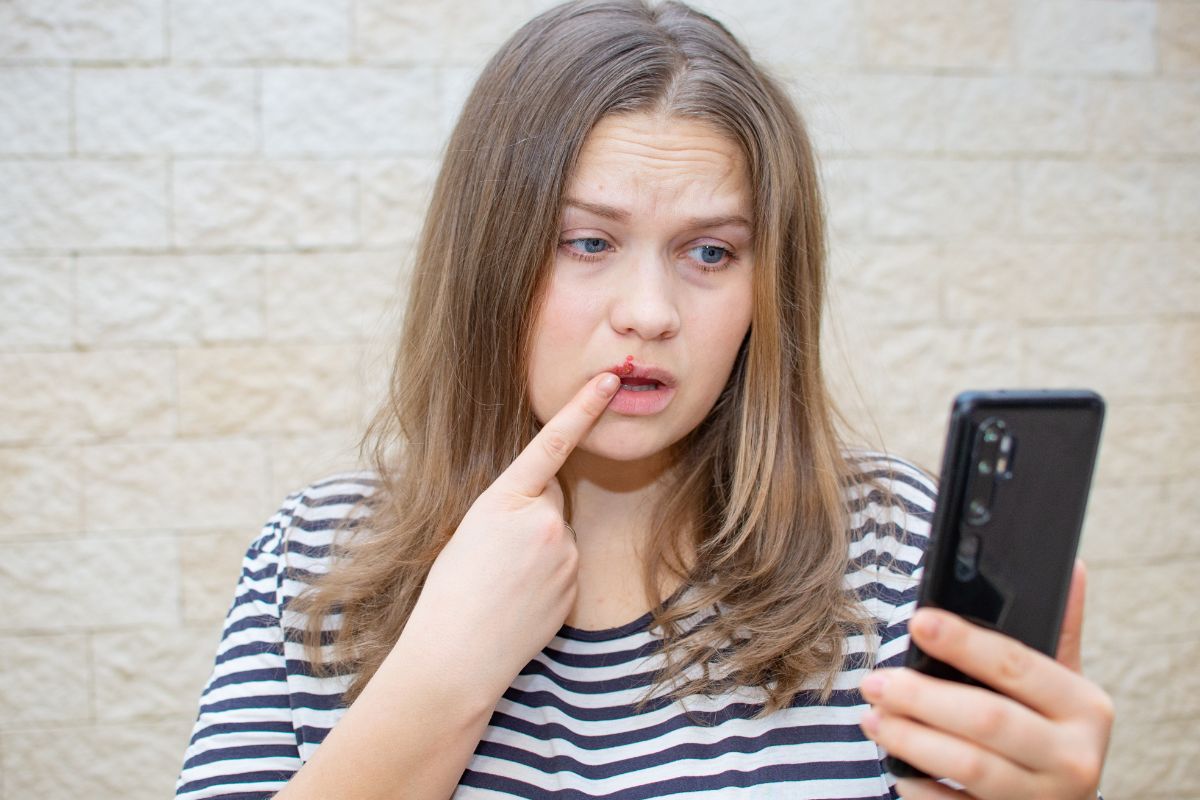
Herpes is a virus that causes painful sores in and around the mouth and genital area, often with devastating pain levels. It sores often appear as small red or flesh-colored blisters filled with clear fluid; single or cluster sores may appear anywhere from lips, anus, rectum, genitals and thighs; ultimately, they tend to form ulcers-like scabs over time.
Herpes can transmit both sexually and through skin-to-skin contact, including kissing. Herpes outbreaks typically last two weeks, during which you might notice painful sores or blisters around the genital area and mouth.
An outbreak of herpes can occur for various reasons, including stress, hormonal shifts and illness. If you experience an ingrown hair follicle outbreak it’s essential that your hands remain clean in order to stop the herpes virus spreading further around the body and into other parts. In terms of sexual activity and outbreak prevention it is also vital that lubricant and condom use restricted as much as possible in order to protect from transmission of transmission.
Treatment of herpes and ingrown hairs at home is possible, though if the cause is herpes, it’s wise to visit a physician as antiviral medication may help manage an outbreak. For ingrown hairs over-the-counter remedies may include lotions for removal and depilatories which make shaving easier.
Treatment
No matter its source, anyone experiencing a bump in their genital area should seek medical advice immediately. Receiving proper diagnosis and treatment will provide relief from discomfort. Although it can be hard to distinguish ingrown hairs from herpes sores initially, some specific characteristics can help diagnose them more accurately.
Ingrown hairs typically appear as single or clustered lesions surrounded by redness. The lesions can be painful and itchy or burning; occasionally covered in pus and accompanying symptoms like fever or flu-like symptoms or pain when urinating; herpes sores don’t usually present similar signs or symptoms.
Once a person has recovered from an outbreak of herpes, they are no longer contagious and cannot transmit the infection to others; however, herpes can still spread via sexual contact; therefore it is wise to use protection and have regular STD tests, particularly those engaging in unprotected sex activity.
Antiviral medication is the cornerstone of treating herpes. Available as pills to taken orally and topical cream to apply directly onto sores, antivirals can provide effective relief from symptoms and discomfort associated with herpes sores. Some over-the-counter pain relievers may also help alleviate their effects.
If a bump is due to ingrown hairs, home treatments may include using an exfoliating razor and moisturizing with warm compresses as well as applying medicated lubricants or prescription numbing creams.
Be wary if you notice a small red bump in the genital area; many conditions, such as acne, benign cysts, skin tags and herpes sores can produce similar symptoms. While it may be difficult to distinguish at first, professional healthcare services can diagnose what’s causing irritation and offer appropriate treatments.
Prevention
Those living with herpes can take antiviral medicines such as famciclovir, acyclovir and valacyclovir to reduce outbreak frequency. You can also take over-the-counter painkillers to alleviate associated discomfort during outbreaks; take measures to prevent transmission by practicing safe sex and using condoms when engaging in sexual activities; these may all help.
Herpes and ingrown hairs often present themselves similarly, making them easy to mistake for one another. By carefully considering each condition’s features – appearance, location, discharge – you can distinguish them.
Herpes sores appear as small red or flesh-colored blisters filled with clear or cloudy fluid that appear as small blisters filled with clear fluid, typically appearing either singly or clustered together and sometimes breaking open to form ulcers that become painful ulcers; sometimes these sores crust over and heal without leaving scars behind. Though typically found around the mouth or genital area, herpes sores can develop anywhere on the body.
An ingrown hair differs from herpes sores because its growth emerges from pores rather than on the surface of skin, but can then turn around and penetrate it, creating an ingrown bump. An ingrown hair typically features a dark shadow or line in the center of its bump; herpes sores don’t. Herpes sores can have a scaly surface while ingrown hairs often appear dry and flaky.
Exfoliating regularly will help prevent ingrown hairs by clearing away dead cells and stimulating hair growth. Use gentle exfoliants like scrubs or warm washcloths for this, while sterilized tweezers can use to lift ingrown hairs above the surface, without irritation to skin or irritation to tweezers. Furthermore, an over-the-counter product containing salicylic acid may assist the process – this solution can usually find at pharmacies and beauty shops.
Ingrown hairs can also avoid by being extra cautious when shaving, waxing and plucking. Exfoliate before shaving/waxing/plucking using a sharp razor. Also make sure that hair removal happens at an appropriate length; too long or short length can result in ingrown hairs so it is wise to consult a physician regarding what length best fits your hair type.