Embarking on a journey to smoother skin involves understanding the nuances of cellulite removal. Discover effective strategies and tips on how to get rid of cellulite, fostering confidence and radiant skin.
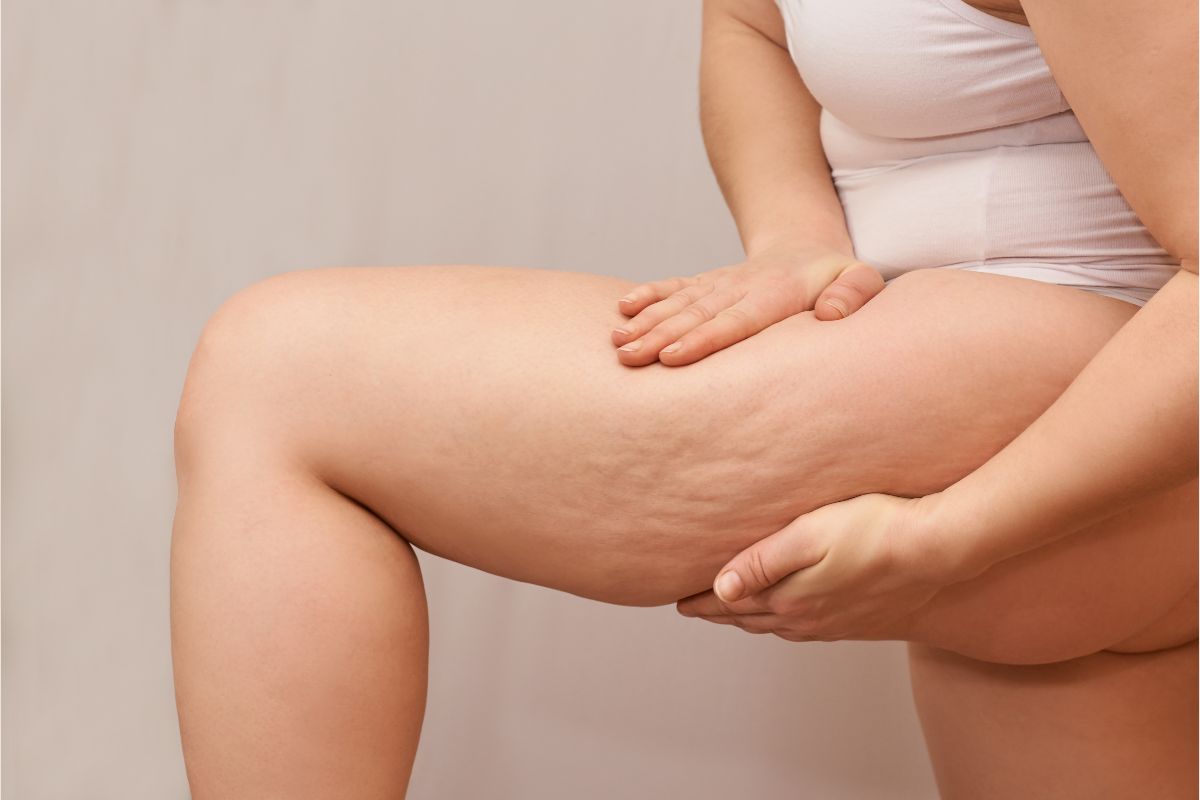
Cellulite is a common condition that causes the skin to have a dimpled appearance. It is thought to result from the interaction between the connective tissue in the skin and the layer of fat underneath. When the fat cells protrude into this layer, it creates the bumpy appearance that is known as cellulite.
Table of Contents
Genetics
Cellulite is a condition that gives the skin a cottage cheese look, most often around the hips, thighs, and buttocks. It’s not dangerous, but many people find it unsightly and embarrassing. CelIulite caused by fat that pushes against connective tissue, creating a dimpled appearance of the skin. It’s more common in women, but men can get it too. There’s not a lot known about what causes it, but genetics and hormones are thought to play a role.
Cellulite results from fat cells pushing up against fibrous connective cords that tether the skin to the muscle. As the fat cells push up against the skin, the long, tough cords pull down, which creates a lumpy, dimpled appearance of the skin. It’s not clear what causes these fibers to weaken and lose their elasticity over time, but some studies suggest that the process may be related to the thickness of the skin and the size of the fat cells. Hormones and genetics seem to play a big part, but you can also develop cellulite if you’re heavy or if your muscles aren’t tight enough. It seems to be more of a problem for women than it is for men, and it tends to form as you get older.
Genetics is the biggest factor in whether or not you’ll get cellulite. If your mother or grandmother had it, you’ll probably have a greater chance of getting it too. Some studies have even found that specific genes, called SNPs (single nucleotide polymorphisms), are linked to your chances of getting it.
One such study found that a variant in the gene for the enzyme angiotensin-converting enzyme (ACE) was associated with your risk of getting cellulite. Another study found that a certain variant in the gene for HIF1A, which regulates how your body uses oxygen, was also associated with your chances of getting it. These genes seem to control a variety of processes, including lipid metabolism and the production of substances that help maintain the structure of the skin and connective tissues. In addition, they can affect the way your arteries respond to changes in blood pressure.
Hormones
Cellulite is a skin condition that gives people dimpled appearances. It occurs when fat cells push up against the connective tissue that holds the muscle and skin together. This causes the bumpy appearance of cellulite that many women dread and think is unattractive. While the condition has no health risks, it can be embarrassing and make some people self-conscious. The condition is caused by multiple factors, including hormones. While it seems that the condition is more common in full-figured women, it affects women of all sizes. In order to reduce the appearance of cellulite, it is important to take steps to improve blood and lymphatic circulation. In addition, reducing the amount of fat in the body is also helpful.
Hormone decline and imbalance are a major cause of cellulite, especially in the pre-menopausal stage known as perimenopause. Estrogen levels can drop and fluctuate for several years prior to menopause, which may contribute to an increase in the amount of fat in the body.
Other causes of the condition include stress and diet. A high calorie diet can lead to an excess of fat and water retention, which can result in the formation of cellulite. In addition, the use of foods containing trans and hydrogenated fats can lead to inflammation in the body, which can contribute to the formation of the condition.
While the exact cause of the condition is not fully understood, some research suggests that the development of cellulite is linked to changes in fat cells and the surrounding connective tissues. In addition, the development of the condition may be triggered by the release of certain hormones, such as insulin and catecholamines.
Other possible reasons for the formation of the condition are age, genetics and pregnancy. In addition, the formation of the condition can be exacerbated by poor circulation, and this can be a result of being overweight, smoking or not exercising enough. To help reduce the appearance of the condition, it is recommended to eat a healthy diet, drink plenty of water and exercise regularly. In addition, consuming more collagen-rich foods can help improve the appearance of the skin and reduce the appearance of cellulite.
Exercise
Exercise helps to reduce cellulite by burning calories and tightening muscles. It also improves circulation and lymph flow, which helps eliminate excess fluid that contributes to the lumpy appearance of cellulite. However, it’s important to note that exercise alone will not get rid of cellulite — it’s essential to lose overall body fat and tone the muscles underneath.
Cellulite is made up of fat cells that push against the connective tissue in your skin. This tissue is a network of fibrous cords, and when the fat presses against these fibers, it creates the dimpled appearance that many women find annoying or embarrassing. This is a completely normal process and poses no health risks, but it can be difficult to get rid of. The most effective way to combat it is by combining a healthy diet and regular cardiovascular exercise with strength training that targets the hips, thighs, and buttocks.
It’s important to avoid over-exercising and to use interval training, which involves alternating between high-intensity exercises and low-intensity exercises. This will help you burn more calories and boost the metabolism so that you can lose more body fat. It’s also a good idea to perform strength-training exercises that target the hips, thighs and buttocks as this will help to tone the muscles and improve the appearance of cellulite.
Despite what some fitness influencers may tell you, there is no such thing as “cellulite-busting leg exercises.” Spot-toning is not possible and trying to slim down a single area with extra exercise will only make the problem worse. Instead, focus on whole-body exercises that target the legs, hips and buttocks like squats, lunges, and exercise bands to help reduce your body fat percentage and firm your muscles.
To further enhance your cellulite-fighting workout, try dry brushing and taking showers that alternate between hot and cold to increase blood flow to the area. Drinking plenty of water, getting regular massages and avoiding extreme temperature changes can also help minimize the appearance of cellulite. The majority of women have cellulite, so it’s important to remember that it is not harmful and it’s nothing to be ashamed of. Instead, try to follow body-positive influencers who show off their curves and embrace their natural beauty.
Diet
A person’s diet has a huge impact on cellulite. The severity of this skin condition is linked to being overweight, so it’s important to maintain a healthy weight. Eating a well-balanced diet full of fiber and lean protein, drinking plenty of water and cutting out foods that contain unhealthy fats can help prevent the formation and worsening of cellulite. Avoid yo-yo dieting and other forms of rapid weight loss fluctuation, since these can cause the body to hold onto more fat cells. Incorporating more plant based proteins, such as legumes, lentils, and quinoa, can also help reduce the appearance of cellulite.
An anti-cellulite diet can be incorporated into a person’s daily routine by eliminating greasy foods, avoiding sugar and fatty carbohydrates, eating more cruciferous vegetables such as kale, cabbage, and spinach and incorporating more whole grains into the diet. A registered dietitian can assist a client in creating an anti-cellulite diet that is right for them and can take their specific health needs into consideration.
Foods that are high in potassium, such as bananas and kiwi fruits, have been scientifically proven to decrease the appearance of cellulite. These fruits also help to detoxify the body, flushing out any toxins that may be contributing to the dimpled appearance of cellulite. Berries are another great addition to the diet as they are packed with antioxidants, which helps to improve the appearance of the skin.
Salmon is a rich source of omega-3 fatty acids, which have been shown to improve the fluidity and stability of the cell membranes in the body. This can help to smooth the appearance of cellulite and increase skin elasticity. Additionally, ginger is a great addition to the diet as it has been shown to boost circulation and blood flow to the area, which can help to diminish the appearance of cellulite.
Having a regular exercise routine is a great way to minimize the appearance of cellulite. Aerobic exercises that get the body moving and promote muscle tone, such as jogging, jumping rope and swimming can help to tighten the muscles and make the skin appear more firm. Strength training exercises, such as squats and lunges, can also be beneficial for building muscle, which can further help to smooth the appearance of the skin.
Recommended readings: