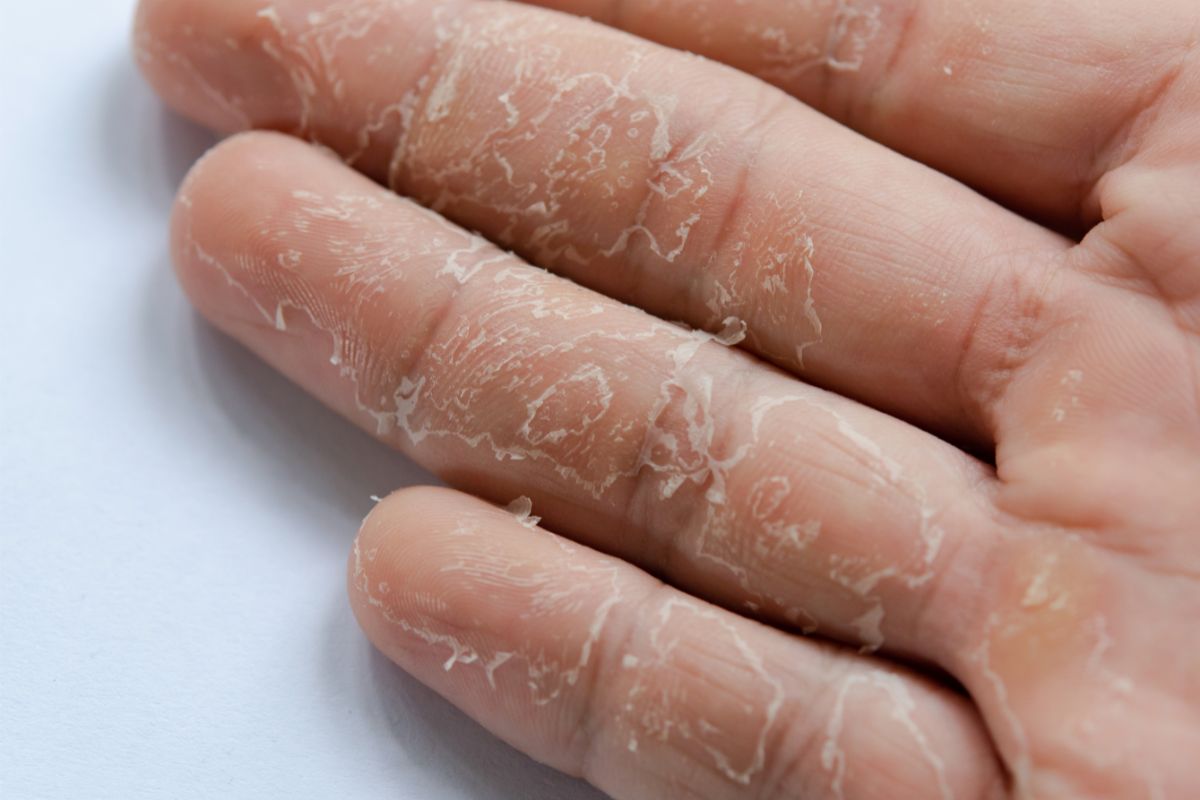
Finger itching may be an indicator of a medical condition. If it persists after treated with over-the-counter remedies, seek professional advice immediately from healthcare providers. Conditions that can cause itchy fingers include dyshidrotic eczema, psoriasis, contact dermatitis and scabies (an infectious skin disease caused by mites), as well as dry skin conditions or complications related to diabetes.
Table of Contents
Eczema
Itchy fingers may be an indicator of an underlying medical condition requiring treatment, so it’s essential to identify its source so you can take appropriate steps for relief and management.
Common causes of itchy fingers include eczema, which is a skin condition characterized by red, dry, and itchy patches on any part of the body – but is especially prevalent on hands. People living with eczema experience extreme itching that’s hard to manage; scratching will only exacerbate it further.
Eczema symptoms include rashes, swelling and flaking. There are different forms of eczema: irritant dermatitis and allergic contact dermatitis. Irritant dermatitis typically responds to soaps and detergents containing detergent-grade soaps; metals like nickel; perfumes and chemicals while allergenic contact dermatitis often responds to poison ivy, pet dander or medications as sources for irritation.
Dyshidrotic Eczema (DE) is an extremely challenging form of eczema to treat as it typically forms small itchy blisters in the palms and sides of fingers, also present on feet and more difficult than other forms to resolve.
Some medical conditions that can contribute to itchy fingers include psoriasis, diabetes, and diabetic peripheral neuropathy. Psoriasis is a chronic skin condition which may result in itchy, discolored and flaky patches on your body while diabetes can damage nerves in your hands, leading to itchy hands among other symptoms.
Use moisturizing hand creams and wear protective gloves when washing dishes or handling chemicals to ease itchy fingers, drink plenty of water to hydrate hands, use gentle soaps without drying ingredients, try antihistamines (drugs that reduce itching caused by allergies) as well as try antihistamines which are drugs used to help relieve itching associated with allergic reactions and visit your physician to identify what’s causing itchy fingers; in case your symptoms include other issues then visit a dermatologist for testing and treatment options.
Psoriasis
Psoriasis is an autoimmune condition in which itchy, red patches of skin appear on fingers or other parts of the body. Common sites for itchy patches include the knees, elbows and scalp; however it can occur anywhere on your body. People living with psoriasis also often experience sore throat and fatigue symptoms; additionally they may have itchy hands which interfere with everyday tasks.
People suffering from psoriasis can find temporary relief from itchy fingers by applying calamine lotion or cooling products that create the sensation of coolness. Scratching the skin should also avoided to avoid opening up lesions that lead to infection; gentle soaps that don’t irritate should use instead, along with frequent baths in lukewarm water and applying an effective moisturizer regularly to keep their skin hydrated.
Rather, if your itching persists despite taking over-the-counter medications or home remedies, it may be time to see a physician. They can assess what’s causing it and suggest further tests or prescription medication as necessary; in case your itching accompanied by pain or swelling symptoms, further blood work might need to conducted in order to identify any underlying issues which need addressing.
Itching is one of the most frequently experienced symptoms associated with various health conditions, and can often be hard to manage. If it persists and interferes with daily activities, however, seeking medical advice might provide lasting relief from itchy fingertips.
Your doctor will likely conduct a biopsy on the affected area to diagnose a rash. This process, commonly performed in doctors’ offices with small needles and local anesthesia injected, should be painless. Once complete, they will send the sample off for analysis at a laboratory and send back results which will allow your physician to establish which type of rash you have while developing a treatment plan and potentially prescribing topical or oral medication that could alleviate symptoms and help avoid future itching episodes.
Contact dermatitis
If your fingers only itch when exposed to certain substances, such as nickel in jewelry or dyes and fragrances in clothing, this could be a skin allergy or irritant. If swelling, redness or discoloration accompany your itching, please visit a physician for an accurate diagnosis and treatment; prescription-strength topical medications or oral medicines could provide temporary or long-term relief from itching.
Contact dermatitis is a skin condition commonly seen on the palms and fingertips, caused by an allergic reaction to substances that come into contact with skin – like detergents, soaps, lotions or metals – causing itching, burning, reddening and flaking of the skin. Blisters may form and burst with fluid; usually however these go away soon afterwards once their allergen has identified and avoided. Eventually the rash clears itself when allergens have avoided or identified and addressed; eventually this condition subsides once its allergen has avoided or identified and avoided.
In the meantime, at-home and OTC treatments may help ease itchy fingers. When dealing with cleaning products or other irritants that aggravate skin rashes or cause friction irritations, wear clothing made of natural fabrics that won’t irritate the skin and avoid friction with natural fabrics such as cotton. Stay hydrated by drinking plenty of water throughout the day; after washing them thoroughly dry your hands with a towel before using a hand dryer that blows hot air; these will only aggravate it further!
Avoid scratching as this can aggravate a rash and increase its severity, increasing its susceptibility to bacteria or fungus growth. Instead, try applying calamine cream or antihistamine ointment to soothe itching while keeping skin hydrated.
Hydrocortisone cream may provide short-term relief. This cream helps reduce inflammation and itching, and comes in various strengths – some available without a valid prescription while higher concentration options will require one. If your itching accompanied by swelling or discoloration, visit a dermatologist for proper diagnosis and treatment – they might conduct tests or prescribe stronger medications to relieve it in the long run.
Athlete’s foot
Tinea pedis (athlete’s foot fungi) thrive in humid, warm environments like showers or locker rooms or shoes, often between the toes. Infection can damage both skin and nails – including cracking and blistering between toes as well as discolored, thick and crumbly nails (onychomycosis). This condition affects not only feet but also other parts of your body like showers or locker rooms where its presence has confirmed by test kits available online or from local pharmacies that test kits are for this condition if diagnosed.
Fungi are usually harmless when present on skin, hair and nails of most people without causing symptoms; however, when exposed to moist environments with reduced immunity levels they can quickly multiply out of control, leading to fungal infections. Fungi which grow on the skin are known as dermatophytes and thrive where people often walk barefoot; such as public showers and locker rooms floors.
Athlete’s foot typically manifests itself with an itchy, flaky rash on the feet and between toes that is itchy, flaky, dry and cracked – itching may be most severe; pain and blood can sometimes accompany itching as well as bleeding skin may follow it. Athlete’s foot can spread to nails causing onychomycosis which is more difficult to treat often resulting in thick, opaque and whitened nails.
Antifungal creams, sprays or powders available over-the-counter at most pharmacies can often provide effective relief of athlete’s foot. Common medications used include clotrimazole, miconazole or tolnaftate – when used along with good hygiene practices they usually clear up infections completely; for recurrent or severe infections oral medication may also be necessary.
To determine whether you have a fungal infection, your doctor will conduct a physical exam of the area in question and ask about any previous episodes of itchy feet or any other symptoms you may be experiencing. A scraping may also need in some instances and sometimes culture and sensitivity tests performed in order to ascertain what species of fungi exist in your system. Athlete’s foot can prevent by not walking barefoot through damp areas, wearing sandals when possible and changing socks frequently while moisture-wicking socks also help keep feet dry and healthier than regular socks do!
Recommended Readings:
- Treatment For Phytophotodermatitis
- Skin Peeling – A Healing Step Or Reason to Worry?
- 7 Causes of White Nail Spots
- What Is Cholinergic Urticaria?
- How to Stop and Control Sweating