PRP injections for hair loss offer a promising solution for thinning hair. This guide covers key considerations and insights to help you make an informed decision before treatment.
PRP injections for hair loss are an easy, safe, and efficient way to promote healthy hair growth in both men and women suffering from androgenetic alopecia.
Treatment uses your own blood, which is drawn and spun in a centrifuge to isolate its plasma. Once isolated, this plasma then injected directly into areas where additional hair growth is desired.
No Downtime
Men and women struggling with hereditary balding or thinning left with few treatment options for combatting hereditary hair loss, including medications that may cause serious side effects or surgery such as hair transplant. According to Cleveland Clinic’s research, Platelet-Rich Plasma (PRP) injections offer an innovative yet natural solution by stimulating hair follicles that have become dormant reactivate them to promote new hair growth and stimulate new follicle activity – ultimately encouraging new hair regrowth.
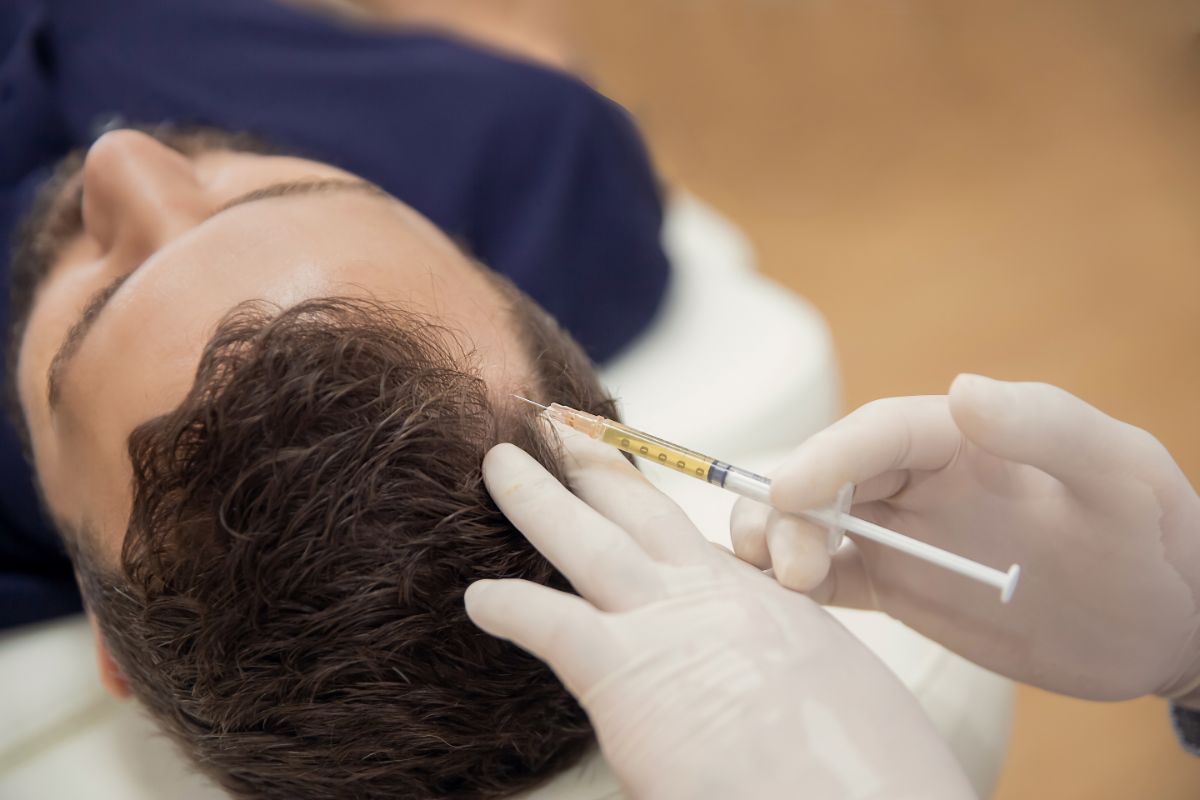
Treatment requires taking a small sample of blood, then spinning it in a centrifuge to separate out platelet-rich plasma, which will then be prepared and injected directly into your scalp using a syringe. Multiple sessions will likely be necessary in order to experience its full benefits.
Once injected, platelets stimulate new hair growth while thickening existing locks. Furthermore, their increased circulation helps improve hair quality and texture for even greater benefits. Our NeoGraft(r) hair restoration surgery often combines this treatment to maximize results.
PRP therapy has become widely utilized across multiple fields of medicine to treat conditions ranging from arthritis and sports injuries, as it utilizes the same healing agents found in your own blood – so there is no risk of rejection or an adverse reaction occurring with use.
PRP injections for hair loss have also proven useful for anti-ageing purposes and hyperpigmentation reduction, while they also appear to promote new follicle regeneration while strengthening existing ones. A 2015 study of 10 individuals using PRP injections as part of their therapy found this approach could increase hair follicle regeneration while strengthening existing ones.
This method may not yet approve by the Food and Drug Administration for treating hair loss, but your physician might suggest it if all other treatment options have failed. This “off label” use of medications usually only allows when benefits outweigh risks.
If you’re curious to explore Platelet-Rich Plasma PRP Injections as a treatment option for hair loss, reach out to us so we can arrange a consultation with Dr. John Tyrone.
No Side Effects
PRP injections can help both men and women address hair loss. PRP treatments also work to restore lost strands after an unsuccessful hair transplant procedure or improve its results, using natural components from your own blood to spur new hair growth without major side effects or risk.
At the outset of PRP therapy, blood must first be drawn. Once drawn, this sample will then be put through a centrifuge to separate platelets from other elements in your blood – these platelets act like stopgap measures by clumping together and creating blood clots to stop any bleeding that might otherwise occur.
Once platelets have separated, they can inject directly into the scalp to stimulate new hair growth. Studies published by Journal of Dermatological Surgery have demonstrated the efficacy of PRP for both regrowing hair and thickening existing strands; most patients report minimal discomfort at injection sites during this process. Treatment plans typically consist of up to three one-month treatments followed by maintenance treatments every three to six months to maintain hair growth.
Though there are no major side effects associated with injection therapy, you may experience some minor ones. For instance, pain, pinpoint bleeding and redness at the injection site could occur shortly after infusing; these should go away shortly thereafter. Some patients also report feeling fullness or tightness in their scalp after injections have taken place.
Other possible side effects can include allergic reactions to injections, blood vessel or nerve injury during the injection process, and scar tissue formation at the injection site. Though such events are relatively rare, you can reduce your risk by working with a physician that has extensive experience administering this therapy.
If you would like more information on this groundbreaking treatment, contact us immediately. We can arrange a consultation appointment and answer any of your queries about its process and results as well as determine if you qualify as a good candidate for this innovative procedure.
No Need for Surgery
People looking to address hair loss require treatments that provide effective yet minimally invasive solutions, which is precisely why Platelet-Rich Plasma (PRP) injections for hair loss offer such solutions. As this non-invasive and minimally invasive process can conducted at any doctor’s office without the need for an operation theatre, using needles only, your dermatologist can inject platelet-rich plasma directly into the marked areas to restore fullness and thickness to your locks.
Autologous blood treatments have long utilized to address both musculoskeletal conditions, and more recently skin conditions like scarring, wrinkles, and fine lines. Recently it’s also employed as part of hair transplant surgery – in one study involving 40 participants it was shown to improve FUE transplanted hair growth significantly.
Making platelet-rich plasma requires taking a sample of blood from yourself and placing it in a centrifuge, where blood cells separated out while platelets become concentrated – these platelets contain healing growth factors known to accelerate wound healing and promote cell regeneration in targeted areas of the body.
Once platelet-rich plasma (PRP) has been prepared, a dermatologist can begin administering treatment by administering grid-like PRP injections into the scalp. Microneedling may be combined with PRP injections for maximum absorption and effectiveness.
Platelets working at the site of injection release a series of natural growth proteins to stimulate hair follicles into producing more strands and prevent future hair loss in treated areas. Results typically take several months to manifest but can repeat every 3-6 months for ongoing improvements and maintenance.
Contact our Manhattan dermatology office for an initial consultation to ascertain whether this innovative new treatment would work effectively for your situation and determine if it matches up with your hair loss condition. We will assist in making that determination for you.
No Complications
PRP injections into the scalp are generally safe; however, mild complications may arise that should not result in serious health concerns. There is the risk of mild bleeding at the injection site and occasional bruising; these side effects are usually transient and resolve themselves shortly after treatment has concluded.
Procedure to administer PRP for hair loss involves drawing blood by a medical professional and centrifuging it to separate out platelet-rich plasma (PRP), which contains growth factors and can inject directly into areas where dormant follicles exist on the scalp. This is noninvasive treatment which typically can performed within 30 minutes in doctor offices.
At first, the doctor may apply a numbing cream to minimize pain during injections, then use a needle to inject plasma directly into each area that needs rejuvenation on your scalp. Injecting PRP for hair loss usually takes less than an hour to complete.
After receiving injections, patients may experience sore and tender scalp areas for a few days following the procedure. They may also experience itching or mild tingling sensations; these effects should subside without lasting impact.
An infection at the injection sites is another potential risk, so doctors caution their patients not to undergo additional treatments or apply harsh chemicals after receiving PRP for hair loss treatment.
PRP therapy for hair loss offers less-invasive solutions than treatments like hair transplantation, making it increasingly appealing. While other solutions exist to halt or even reverse hereditary hair loss, the best way to determine your individual treatment options would be a consultation with an experienced board-certified dermatologist like Dr. Green in her Upper East Side New York City practice.
Recommended readings:
- Laser Hair Removal: A Comprehensive Guide
- 50 Exceptional Medical Spa Treatments in the U.S
- Botox Injections: A Comprehensive Guide to Youthful Radiance
- The Rise of Medical Spa Treatments for Men
- Saxenda, Wegovy, Ozempic and Mounjaro Differences