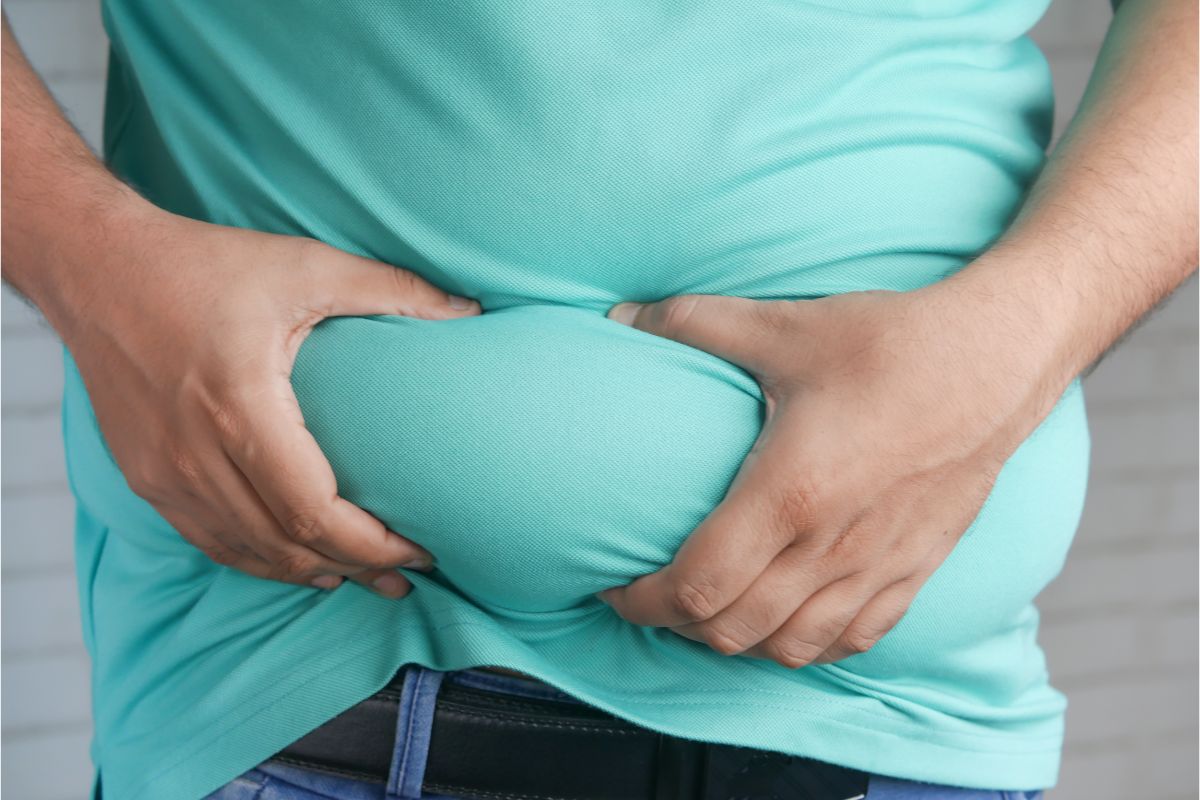
Many women experience discontent with the appearance of their stomach. It could be weight gain and then loss, or pregnancy and childbirth which has stretched skin in an unflattering way. An apron belly, also referred to as pannus stomach or mother’s apron, occurs when too much fat accumulates in the lower abdominal region and accumulates without adequate exercise. It can cause back pain, chafing and other physical discomforts that hinder daily activities. Embark on a transformative journey as we delve into effective strategies to reduce apron belly, unlocking a path to wellness and confidence.
Table of Contents
1. Exercise
Sagging stomachs are likely caused by excess fat and tissue that protrudes from the abdomen, and you can reduce this with diet, exercise and nonsurgical laser procedures. While significant weight loss or pregnancy might help, some excess sagging may persist even then; though this is normal and should not affect self-esteem negatively.
One of the key components to combating belly sagging is exercising regularly, with cardio exercises and strength training as part of an ideal mixed workout program. Work all abdominal muscles – including your six-pack muscles (rectus abdominis, transverse abdominis and obliques).
At least 150 minutes of moderate aerobic exercise and two full-body strength training sessions should be completed each week for best results. If you can do more, that’s even better! Just listen to your body and don’t push too hard; overtraining increases cortisol levels which makes it harder to shed belly fat.
Doing HIIT, or high-intensity interval training, is an excellent way to quickly burn more calories in less time and reduce apron belly. These types of exercises involve bursts of activity followed by rest periods – proven effective for burning belly fat and toning abdominal muscles! Studies also indicate this type of workout helps people shed extra weight more quickly.
Walking often can help strengthen the muscles of your lower back while burning more calories throughout the day; thus preventing sagging belly.
Walking is an effective way to engage your abdominal muscles by pulling your knees up toward your chest as if marching. This works the obliques and provides cardio workout while toning up your stomach. For maximum effectiveness, try including some hills on your route – they will make the workout more challenging and maximize results. To get maximum benefit out of walking sessions, aim for 15-minute walks at least.
2. Diet
Sagging stomach, or “apron belly”, is often due to pregnancy, weight loss, menopause or other life changes that induce hormonal fluctuations and lifestyle adjustments. Apron bellies can cause discomfort and embarrassment and, left untreated, could even lead to skin infections and other problems if left untreated; however, exercise and diet can help minimize an apron belly while surgical and nonsurgical options exist to remedy the situation.
Being dissatisfied with how their body looks postpartum can be distressing. Pregnancy brings significant changes to one’s body, including stretching abdominal muscles and fat accumulation that causes separation of abdominal muscle groups resulting in an apron belly.
Some individuals may suffer from sagging stomach due to obesity or genetics. People who have shed significant pounds quickly may also have this problem since their skin doesn’t have time to adapt and tighten itself properly after losing so much weight quickly.
Step one to reduce an apron belly is to shed extra weight through diet and exercise. Choose fruits, vegetables, whole grains, healthy fats (such as avocados, olive oil nuts and seeds) and lean proteins as your menu items, while cutting back on sugary drinks and processed foods.
Exercise to target abdominals such as crunches and twists, lunges, planks, squats and others. Aim to complete at least 30 minutes of cardiovascular fitness exercise per week as well as some strength training in order to reduce fat around your middle while at the same time toning abdominal muscles.
If you are trying to lose weight, be sure to do it gradually. Aiming to shed one to two pounds each week is ideal; doing this will ensure more fat burns off while avoiding excessive sagging. Diet and exercise are both key components in weight loss; however if these efforts don’t yield results it is a good idea to consult your physician about potential surgical and nonsurgical solutions like liposuction for instance which can remove extra abdominal fat for flatter stomach.
3. Weight Loss
No matter if it’s due to pregnancy, menopause or major weight loss – many people develop loose skin hanging like an apron on the abdomen known as pannus stomach (or “mommy belly fat” or “menopause apron”). While this type of fat doesn’t pose any direct health implications for you personally – rubbing against clothing or causing rashes are just two examples – it may become bothersome enough that nonsurgical measures are available to help reduce its size and relieve any related discomfort caused by it if its size increases beyond reasonable levels or its discomfort caused by its presence if it rubs against clothing. For those suffering from pannus stomach, nonsurgical options exist that can reduce its size while alleviating its discomfort such as nonsurgical reduction techniques available as well.
Good news is that tightening up your stomach skin is achievable through eating healthily and exercising regularly. Aerobic exercises like cardio and strength training can help burn body fat while building muscle; this may help you shed excess belly fat as well as tighten underlying muscles for reduced sagging. A combination of aerobic and resistance exercise should provide maximum benefits to reduce apron belly.
If you’re trying to lose weight gradually and steadily, the best approach is a low-calorie, high-protein diet composed of whole foods. Doing this allows the body time to adapt to changes in weight without experiencing sudden sagging.
Though it may be tempting to skip meals in order to lose weight more quickly, this strategy could lead to excess skin due to your body not receiving proper nourishment. Instead, it would be more beneficial if you tried eating slowly with smaller portions.
One way to minimize sagging after significant weight loss is undergoing a panniculectomy procedure, which removes an apron-like flap of tissue that covers your liver and intestines – this may even be covered by insurance if certain medical standards are met.
Implementing these strategies alone won’t help firm up your stomach; other options, like topical creams or surgical procedures may need to be explored as well. A panniculectomy should only be considered once your target weight has been reached and is satisfactory; otherwise it should be avoided unless recommended by your physician.
4. Surgery
Stomach overhang, more commonly referred to as pannus stomach, refers to excess tissue hanging down from the lower abdomen and can have both physical and psychological implications, making clothing hard to find that fits properly. A pannus stomach may result from various causes – weight gain, pregnancy, ageing or previous surgical procedures may all play a part. There may be nonsurgical methods available for decreasing protruding stomachs but in certain instances surgery may required to reduce apron belly.
Exercise, diet and lifestyle modifications can all help to tone the stomach and decrease sagging. Upping your physical activity through cardio and high-intensity interval training can burn calories while building muscle – three key ingredients for toning down loose skin. Furthermore, maintaining a nutritious whole food diet that limits alcohol consumption while getting sufficient sleep and managing stress are also essential in shaping and tightening loose skin on your abdomen.
However, no matter how much diet and lifestyle changes you make, there may still be loose stomach skin. Childbirth and extreme weight loss can both contribute to this situation; fortunately, tightening loose abdominal skin without surgery is now possible!
A tummy tuck, commonly referred to as abdominoplasty, is a surgical procedure which removes extra skin and fat from your stomach for a flatter and more contoured silhouette. Your surgeon will make a cut from just below your breastbone to above your pubic bone before extracting any overhanging tissue known as pannus stomach and suturing or placing small tubes to drain fluid as your wound heals.
Pannus stomach can be uncomfortable and lead to chafing and itchy skin, so applying anti-chafing creams or wearing clothing that provides support may help. You could also perform exercises that strengthen abdominal muscles such as plank and boat poses; or consider surgical solutions like body lifts – an intensive surgical procedure targeting multiple body areas at once to tighten sagging skin; this might be more suitable if diet and exercise alone have failed in delivering desired results.
Recommended Readings:
- Why Do I Have an Outie Belly Button?
- Medical Benefits of a Tummy Tuck
- CoolSculpting Vs Other Fat Reduction Methods
- Cryolipolysis: Chilling Away Stubborn Fat
- Saxenda, Wegovy, Ozempic and Mounjaro Differences